RB Architect Home

Category

Trends & Innovation

6 articles

The Architecture You Stop Noticing: Invisible Design and the Buildings We Actually Love

The Architecture You Stop Noticing: Invisible Design and the Buildings We Actually Love

The finest architecture has a curious habit of disappearing. Spaces that function beautifully, that support the lives unfolding within them, often go unacknowledged by the very people they serve—while a poorly placed column or an awkward threshold generates daily frustration for years. This piece examines the psychology of architectural perception, and asks whether designers have an obligation not just to build well, but to build in ways that invite conscious appreciation.

Adaptability Is Not a Strategy: The Case Against Designing for Everything

Adaptability Is Not a Strategy: The Case Against Designing for Everything

The architecture industry has spent decades championing adaptable, multipurpose spaces as the gold standard of forward-thinking design—but mounting evidence suggests that spaces designed for everything often serve nothing particularly well. This piece challenges the reflexive pursuit of maximum flexibility, arguing instead that the buildings people love most, and use longest, are those designed with deliberate specificity and a clear understanding of human ritual. The most durable buildings are

The Office That Works for No One: Rethinking Commercial Space in the Age of Hybrid Work

The Office That Works for No One: Rethinking Commercial Space in the Age of Hybrid Work

Open-plan offices were once celebrated as engines of collaboration and creativity. For hybrid and remote-first organizations, however, they have become costly liabilities that undermine the very productivity they promised to generate. Forward-thinking architectural firms are now designing a fundamentally different kind of workplace—one built around how people actually work, not how planners once hoped they would.

Silence Is a Design Decision: The Rise of Intentional Acoustics in Commercial Spaces

Sound has long been treated as an inconvenience to be managed after the fact—a problem solved with ceiling tiles and carpet rather than addressed at the drawing board. That approach is changing rapidly, as leading architectural practices now treat acoustic quality as a foundational design driver, with measurable consequences for productivity, wellbeing, and the enduring value of a building.

From Concrete Canyons to Living Ecosystems: The Science of Nature-Infused Workplaces

From Concrete Canyons to Living Ecosystems: The Science of Nature-Infused Workplaces

A growing body of evidence is compelling architects and corporate clients alike to reconsider what an office is fundamentally for. Far beyond aesthetic preference, the deliberate integration of natural elements into commercial environments is demonstrating measurable gains in employee well-being, focus, and organizational retention. RB Architect examines how this disciplined approach to design is transitioning from progressive experiment to industry standard.

America's Second Act: Why Adaptive Reuse Is the Most Exciting Design Movement of Our Time

America's Second Act: Why Adaptive Reuse Is the Most Exciting Design Movement of Our Time

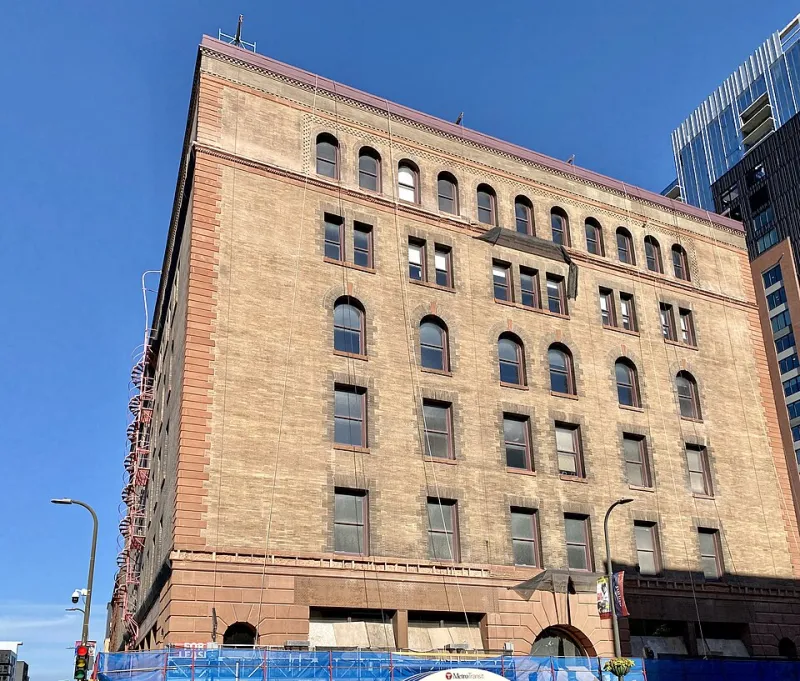
Across the United States, a quiet revolution is reshaping the built environment — not through demolition and new construction, but through the imaginative transformation of structures that history left behind. Adaptive reuse has moved from architectural curiosity to mainstream strategy, and the results are redefining what American cities can become. This is our take on why the movement matters, what it demands of designers, and where the most compelling opportunities lie in 2026.